
About Kyrgyzstan
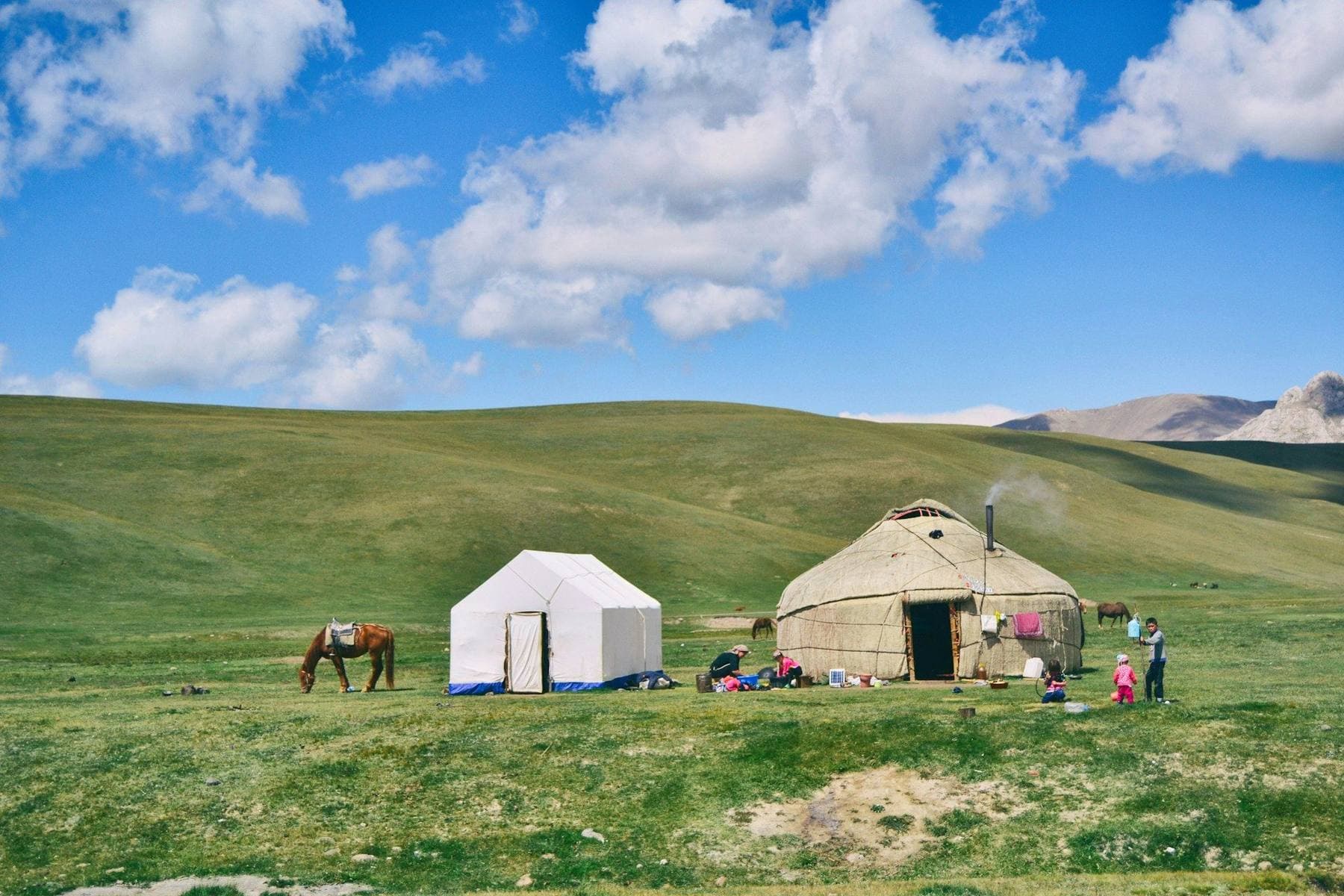
A mountainous country with nomadic traditions, Kyrgyzstan offers stunning alpine scenery and off-grid trekking. It’s one of Central Asia’s most adventurous destinations.
Kyrgyzstan has low crime and limited rural healthcare. Travel-health prep covers Hepatitis A, Typhoid, rabies for trekkers, and altitude planning for highland routes.
Kyrgyzstan has low crime but limited rural healthcare. The CDC recommends Hepatitis A and Typhoid vaccinations, rabies for trekkers, and altitude-sickness precautions in highland regions.
Travel medication bundles for Kyrgyzstan — each pack is built and reviewed by US-licensed clinicians for the specific health risks of that route.
A mountainous country with nomadic traditions, Kyrgyzstan offers stunning alpine scenery and off-grid trekking. It’s one of Central Asia’s most adventurous destinations.
Low crime but limited rural healthcare.
CDC recommends hepatitis A, typhoid, rabies (for trekkers), and altitude sickness precautions in highland regions.
 Based on data from the U.S. Centers for Disease Control and Prevention (CDC)
Replace the travel clinic, the pharmacy visit, and the scattered spreadsheet. A clinician-founded platform where every part of your health prep is connected to your trip.
Sources: CDC Travelers' Health — Kyrgyzstan; CDC Yellow Book
Yes — crime is low. Healthcare is more limited outside cities; plan accordingly for remote treks.
Beyond routine vaccinations, the CDC recommends Hepatitis A and Typhoid for most travelers, plus rabies for trekkers and travelers with extended outdoor exposure.
Highland regions sit above the elevation where altitude sickness becomes common. Acetazolamide (Diamox) can help prevent acute mountain sickness when started 1–2 days before ascent. Ascend gradually, stay hydrated, and avoid alcohol on arrival.
Wandr currently assigns Kyrgyzstan a safety grade of C (Elevated Risk) and a risk score of 70/100. Grades summarize destination-specific risk across vaccine-preventable disease, common medication needs, altitude, climate, and outbreak alerts. Scores are derived from CDC, WHO, and US State Department guidance and updated regularly. Use the grade as a starting point — your personal plan still depends on your itinerary, health history, and length of stay.
Vaccine requirements depend on your itinerary, season, and health history. For Kyrgyzstan, review the "Wandr's Recommendations" section above, which reflects current CDC guidance. Most travelers should also be up to date on routine immunizations (MMR, Tdap, flu, COVID-19). Wandr can match you with a licensed provider to confirm what you need and route prescriptions to your pharmacy.
Start 4–6 weeks before departure when possible. Some vaccines require multiple doses spaced weeks apart (e.g., Hepatitis B, Japanese Encephalitis), and antimalarials like Atovaquone-Proguanil should be started 1–2 days before entering a malaria-risk area. If you have less than 4 weeks, Wandr can still help — most prescriptions are ready for same-day pharmacy pickup after provider review.
A traditional travel clinic visit typically costs $115–$250+ and requires an in-person appointment 1–2 weeks out. Wandr provides the same CDC-aligned guidance online: a licensed US provider reviews your visit — usually within 24 hours — and sends prescriptions to the pharmacy of your choice. Your $89 online visit covers the physician review and one Rx sent to your pharmacy, +$29 for each add-on Rx, or $199 for the Comprehensive Travel Kit visit (up to 9 Rx). Your pharmacy bills the medication itself; HSA/FSA and pharmacy insurance apply.
After a Wandr-licensed provider reviews and approves your visit, prescriptions are sent electronically to your preferred pharmacy for same-day pickup. You choose your pharmacy during the intake process.
Yes. Wandr accepts HSA and FSA payment for medical visits and prescriptions. Most travel-health expenses — provider fees, prescription medications, and many vaccines — qualify under IRS-eligible medical care rules. Your pharmacy insurance may also cover a portion of the medication cost itself.
Check vaccines, order travel medications, and get a clinician-reviewed plan — all online, typically within 24 hours.