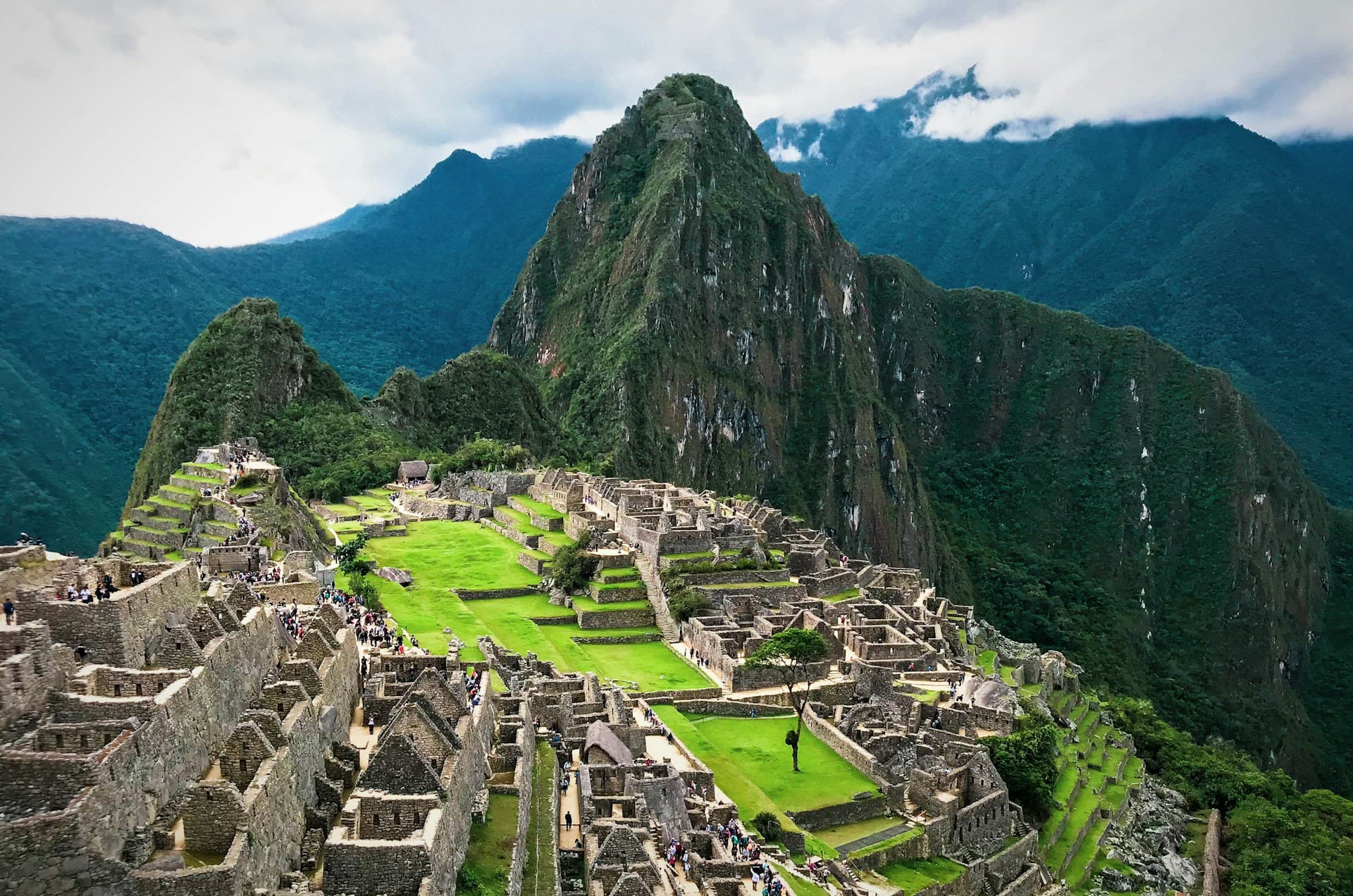

Llama overlooking the Inca ruins of Machu Picchu with Huayna Picchu mountain in the background
Travel health guide

Peru Travel Health Guide

South America (Andes)Grade C (Elevated Risk)Risk score 68

Peru spans the Pacific coast, the high Andes, and the Amazon jungle — and each carries a different travel-health profile. Here's what to plan for before you go, from altitude in Cusco to mosquito-borne illness in the lowlands.

  • CDC-aligned guidance
  • Licensed in all 50 states
  • HSA / FSA eligible

What vaccines and medications do I need for Peru?

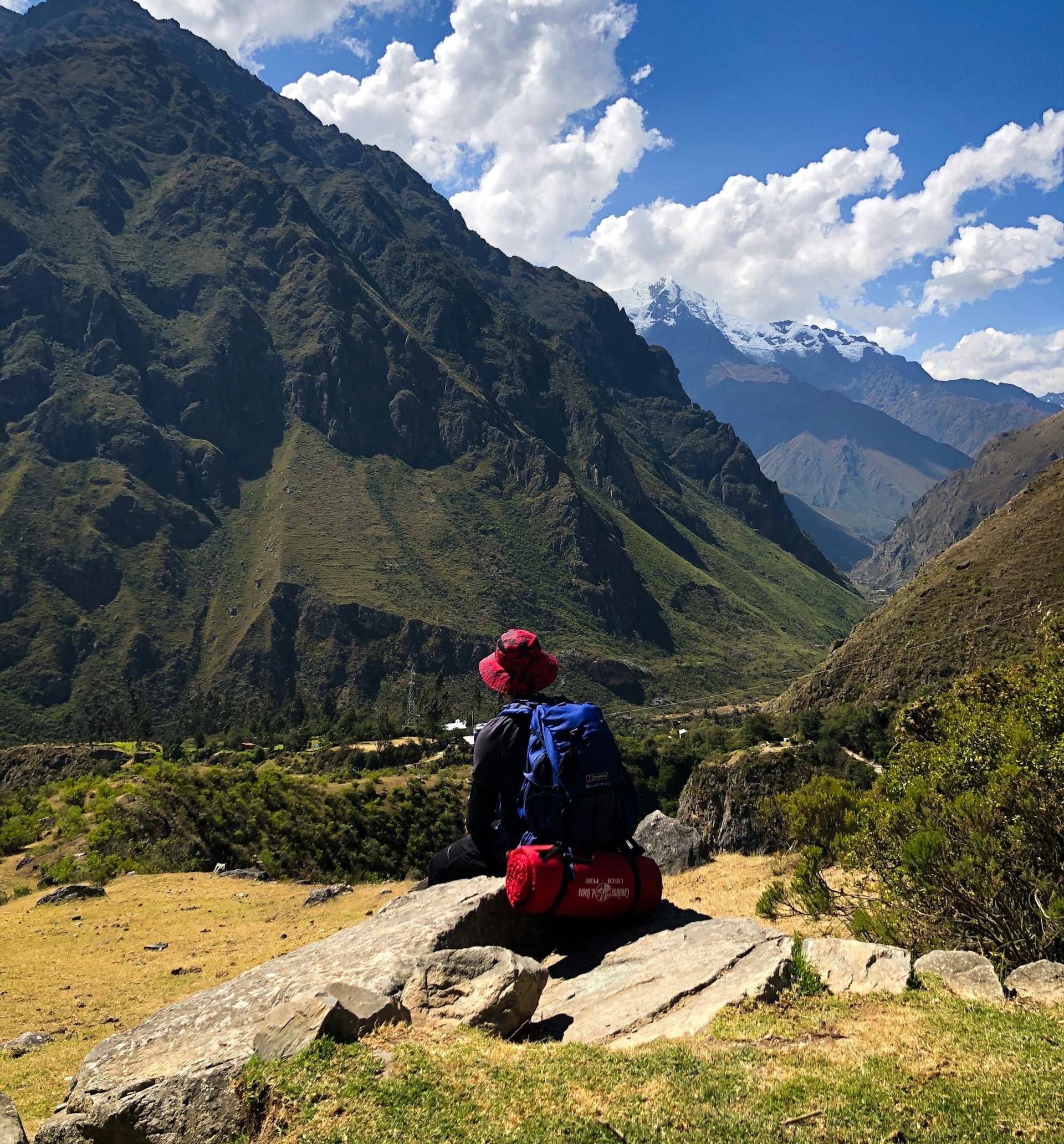
Peru is generally safe for travelers, but travel-health risks vary sharply by region. The CDC recommends routine vaccinations plus Hepatitis A/B and Typhoid for most visitors, and Yellow Fever vaccination depending on your itinerary. Altitude sickness is common in the highlands around Cusco and Machu Picchu, so pack altitude medication and give yourself time to acclimatize. In the lowland Amazon, dengue and malaria are a risk — use mosquito precautions and consider malaria prophylaxis. Medical care is reliable in cities like Lima but limited in remote areas, so travel insurance with evacuation coverage is strongly advised.

Safety grade
C (Elevated Risk)
Risk score
68 / 100
Region
South America (Andes)
Last updated
Sep 11, 2026

About Peru

Peru is a culturally rich and geographically diverse country, home to iconic sites like Machu Picchu, the Andes Mountains, and the Amazon rainforest. From ancient Incan ruins to vibrant cities like Lima and Cusco, Peru offers history, adventure, and breathtaking natural beauty for every type of traveler.

Wandr's recommendations

  • Peru is generally safe for travelers, though health risks vary by region.

  • Altitude sickness is common in highland areas, and mosquito-borne illnesses like dengue and malaria exist in lowland jungle zones.

  • The CDC recommends routine vaccinations, hepatitis A/B, typhoid, and sometimes yellow fever depending on the itinerary.

  • Medical care is reliable in cities but limited in remote areas.

  • Travelers should pack altitude medications, use mosquito precautions, and consider travel insurance with evacuation coverage.

US Centers for Disease Control and PreventionBased on data from the U.S. Centers for Disease Control and Prevention (CDC)
Common questions

Travel health FAQ

Do I need a yellow fever vaccine for Peru?

The CDC recommends yellow fever vaccination for travelers aged 9 months and older going to areas of Peru below 2,300 m (about 7,500 ft) in the Amazon regions east of the Andes. It is generally not recommended for Lima, Cusco, Machu Picchu, or the highland tourist route. Carry your vaccination certificate, since some onward destinations require proof of yellow fever vaccination for entry.

Do I need malaria pills for Peru?

The CDC advises malaria prophylaxis only for travelers visiting malaria-risk areas of Peru — primarily the low-altitude Amazon basin (such as the Loreto region). Lima, the Pacific coast, and high-altitude areas including Cusco and Machu Picchu are not malaria-risk areas. When prophylaxis is needed, CDC-recommended options include atovaquone-proguanil, doxycycline, or mefloquine, chosen based on your itinerary and health history.

How do I prevent altitude sickness in Cusco and Machu Picchu?

Cusco sits at roughly 3,400 m (11,150 ft), well above the 2,500 m (8,200 ft) elevation where acute mountain sickness becomes common. The CDC notes acetazolamide (Diamox) can help prevent altitude sickness when started 1–2 days before ascent and continued for a couple of days at altitude. Ascend gradually where possible, stay hydrated, and avoid alcohol on arrival. Machu Picchu itself (about 2,430 m) is lower than Cusco.

What vaccines does the CDC recommend for Peru?

Beyond routine vaccinations (MMR, Tdap, influenza, COVID-19), the CDC recommends Hepatitis A and Typhoid for most travelers to Peru due to food- and water-borne risk. Hepatitis B, rabies, and yellow fever may be advised depending on your activities and itinerary. Confirm your specific needs with a licensed provider 4–6 weeks before departure.

How does Wandr rate Peru for travel health?

Wandr currently assigns Peru a safety grade of C (Elevated Risk) and a risk score of 68/100. Grades summarize destination-specific risk across vaccine-preventable disease, common medication needs, altitude, climate, and outbreak alerts. Scores are derived from CDC, WHO, and US State Department guidance and updated regularly. Use the grade as a starting point — your personal plan still depends on your itinerary, health history, and length of stay.

Do I need vaccines to travel to Peru?

Vaccine requirements depend on your itinerary, season, and health history. For Peru, review the "Wandr's Recommendations" section above, which reflects current CDC guidance. Most travelers should also be up to date on routine immunizations (MMR, Tdap, flu, COVID-19). Wandr can match you with a licensed provider to confirm what you need and route prescriptions to your pharmacy.

How far in advance should I prepare for my trip?

Start 4–6 weeks before departure when possible. Some vaccines require multiple doses spaced weeks apart (e.g., Hepatitis B, Japanese Encephalitis), and antimalarials like Atovaquone-Proguanil should be started 1–2 days before entering a malaria-risk area. If you have less than 4 weeks, Wandr can still help — most prescriptions are ready for same-day pharmacy pickup after provider review.

What's the difference between a travel clinic and Wandr for a Peru trip?

A traditional travel clinic visit typically costs $115–$250+ and requires an in-person appointment 1–2 weeks out. Wandr provides the same CDC-aligned guidance online: a licensed US provider reviews your visit — usually within 24 hours — and sends prescriptions to the pharmacy of your choice. Your $89 online visit covers the physician review and one Rx sent to your pharmacy, +$29 for each add-on Rx, or $199 for the Comprehensive Travel Kit visit (up to 9 Rx). Your pharmacy bills the medication itself; HSA/FSA and pharmacy insurance apply.

How do I pick up my travel medications?

After a Wandr-licensed provider reviews and approves your visit, prescriptions are sent electronically to your preferred pharmacy for same-day pickup. You choose your pharmacy during the intake process.

Does HSA or FSA cover travel health costs?

Yes. Wandr accepts HSA and FSA payment for medical visits and prescriptions. Most travel-health expenses — provider fees, prescription medications, and many vaccines — qualify under IRS-eligible medical care rules. Your pharmacy insurance may also cover a portion of the medication cost itself.

Medically reviewed by the Wandr Health Medical TeamLast updated September 11, 2026
Ready when you are

Get trip-ready for Peru in a single visit.

Check vaccines, order travel medications, and get a clinician-reviewed plan — all online, typically within 24 hours.