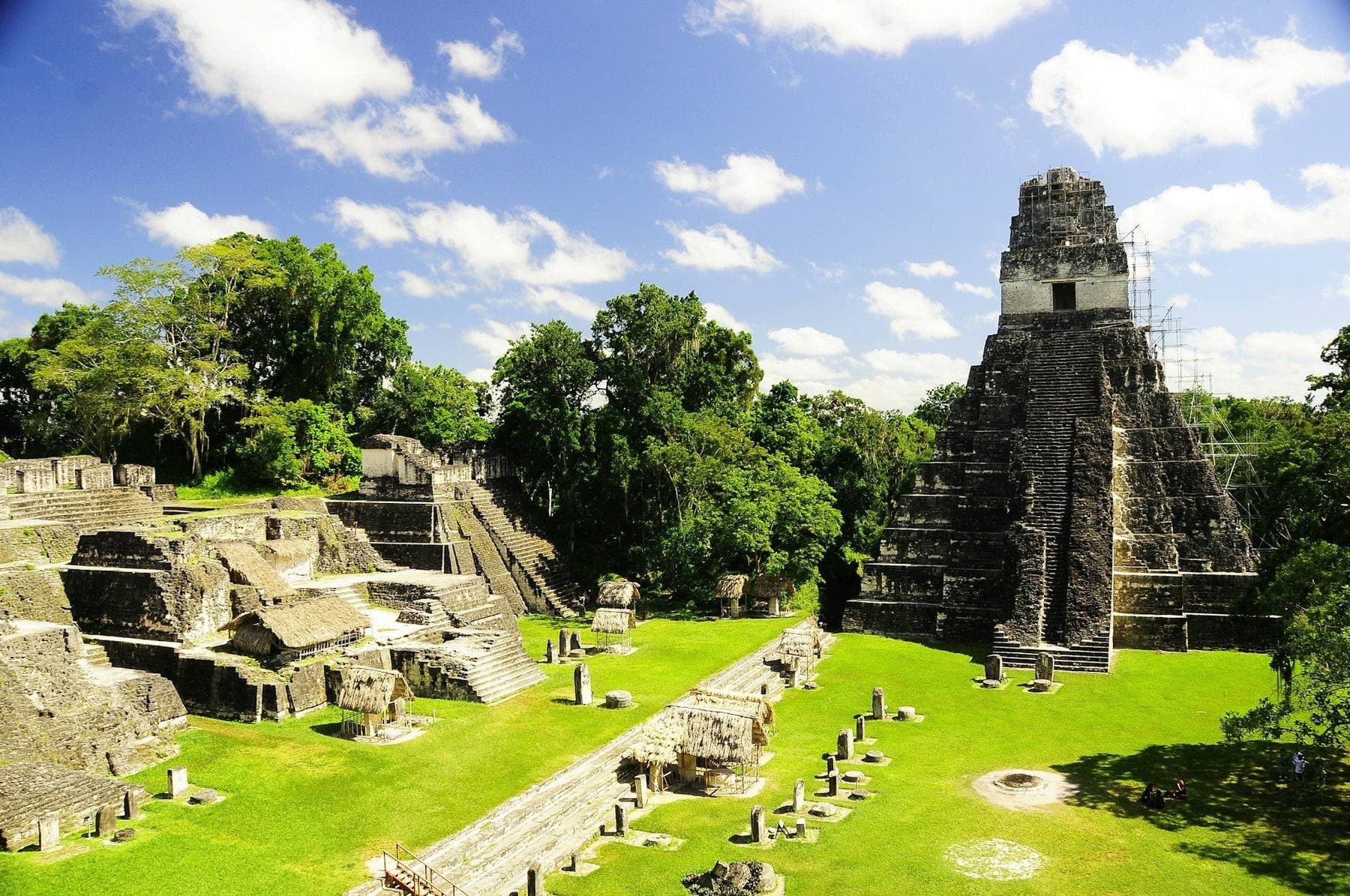
Travel medicine for Tikal & Antigua
Most of Guatemala only asks for a careful stomach. The Tikal lowlands ask for malaria prevention too.
Get the malaria pills the CDC recommends for the Petén jungle around Tikal, plus standby antibiotics for travelers' diarrhea and a cream for jungle skin, prescribed without the appointment and sent to your pharmacy before you fly.
- Physician-founded
- Licensed in all 50 states
- HSA / FSA eligible
- Same-day Rx in most cases
Guatemala splits its health risks by elevation. The CDC recommends malaria prophylaxis only for five lowland departments, and Petén — the department that holds Tikal — is one of them, while Antigua, Guatemala City, and Lake Atitlán sit above 1,500 meters and carry no malaria risk at all. So a classic Tikal-plus-Antigua itinerary asks for malaria prevention on the jungle leg and nothing for the highlands. Travelers' diarrhea is the other constant: the CDC notes it commonly affects visitors, and tap water is not potable anywhere in the country, even in the capital. One trip, two different risk zones, and a short list of medications that covers both.
Guatemala travel health guide — vaccines, snapshot overview, and what to review before you go.
Orders are reviewed and prescriptions sent to your pharmacy within 24 hours.
Booking questions, platform help, or just not sure where to start, give us a call.
+1 (302) 251-2302Rx at your pharmacy in three steps.
No appointment. No waiting room. Answer a few questions and a licensed provider reviews within hours.
Your destination, dates, health history, and current medications. Takes about 2 minutes.
A licensed clinician reviews your health profile, checks for interactions, and approves your prescription.
- Allergy screen passed
- Drug interactions clear
- Prescription approved
Your approved prescription is sent electronically to the pharmacy of your choice. Pick it up when your pharmacy has it ready.
Skip the appointment. Get the same Rx.
Both columns cover the visit and prescribing only. Your pharmacy bills the medication itself on either side.
Medications in the Tikal & Antigua plan
Tikal & Antigua medication FAQ
- For the Petén leg, yes — the CDC recommends malaria prophylaxis for travelers to Petén, the department that contains Tikal, along with four other lowland departments. Guatemala's malaria is almost entirely Plasmodium vivax and risk sits below 1,500 meters, so the lowland jungle around Tikal is exactly where prophylaxis is advised. Atovaquone-proguanil (Malarone) is one of the CDC's recommended options, taken once daily starting 1 to 2 days before you reach the jungle and continued for 7 days after you leave it. If your trip skips the lowlands entirely and stays in the highlands, your provider can tell you whether you need it.
- No. Antigua, Guatemala City, and Lake Atitlán all sit above 1,500 meters, and the CDC does not consider them malaria risk areas. The highlands are where most Guatemala itineraries spend their time, and they need mosquito-bite precautions but no malaria pills. The reason a Tikal-plus-Antigua trip still warrants a prescription is the jungle leg in Petén — that is the part of the country where the malaria risk lives. Dengue, spread by daytime mosquitoes, has been rising in the Antigua area and Guatemala City and has no preventive pill, so insect repellent and covering up matter in the highlands as well.
- The CDC says travelers' diarrhea commonly affects visitors to Guatemala, and tap water is not potable anywhere in the country, even in the capital cities. Street food, fresh cheeses, and raw or undercooked produce are the usual triggers. Azithromycin is included in the Travel Pack as standby treatment: you do not take it preventively, you start it if your diarrhea turns moderate or severe, typically a 500 mg dose once daily for 3 days. Pair it with safe food and water habits — bottled or treated water, hot and freshly cooked food, fruit you peel yourself.
- Three medications that cover the two risk zones of a Guatemala trip. Atovaquone-proguanil (Malarone) is the malaria prophylaxis the CDC recommends for the Petén lowlands around Tikal, taken once daily. Azithromycin is standby treatment for the travelers' diarrhea the CDC flags across the country, started only if symptoms turn moderate or severe. Clotrimazole-betamethasone (Lotrisone) is a topical cream for the heat rashes, fungal skin irritation, and bite reactions that come with humid jungle days and long ruin hikes. Together they cover the jungle leg and the everyday risks in a single visit.
- Orders are reviewed by a US-licensed provider and the Rx is sent electronically to your pharmacy within 24 hours. Most travelers can pick it up the same day.
- If a provider cannot safely prescribe (rare, usually due to a specific interaction or contraindication for atovaquone-proguanil or azithromycin), the visit fee is refunded in full. You only pay if the Rx is sent.
The Tikal jungle is the malaria zone and the rest of Guatemala still needs a careful stomach. Cover both before you fly.
Get the Malarone the CDC recommends for the Petén lowlands, plus standby antibiotics and a jungle-skin cream, prescribed without the appointment.