Kilimanjaro & Serengeti · Travel Medicine
The summit's a climb. The savanna's a malaria zone.
Get atovaquone-proguanil (Malarone) before you fly to Tanzania. One tab a day, starting one to two days before you enter the Serengeti, continued daily through your safari, and for seven days after. CDC's first-line choice for Tanzania. Ready at your pharmacy before you leave.
- Physician-founded
- Licensed in all 50 states
- HSA / FSA eligible
- Same-day Rx in most cases
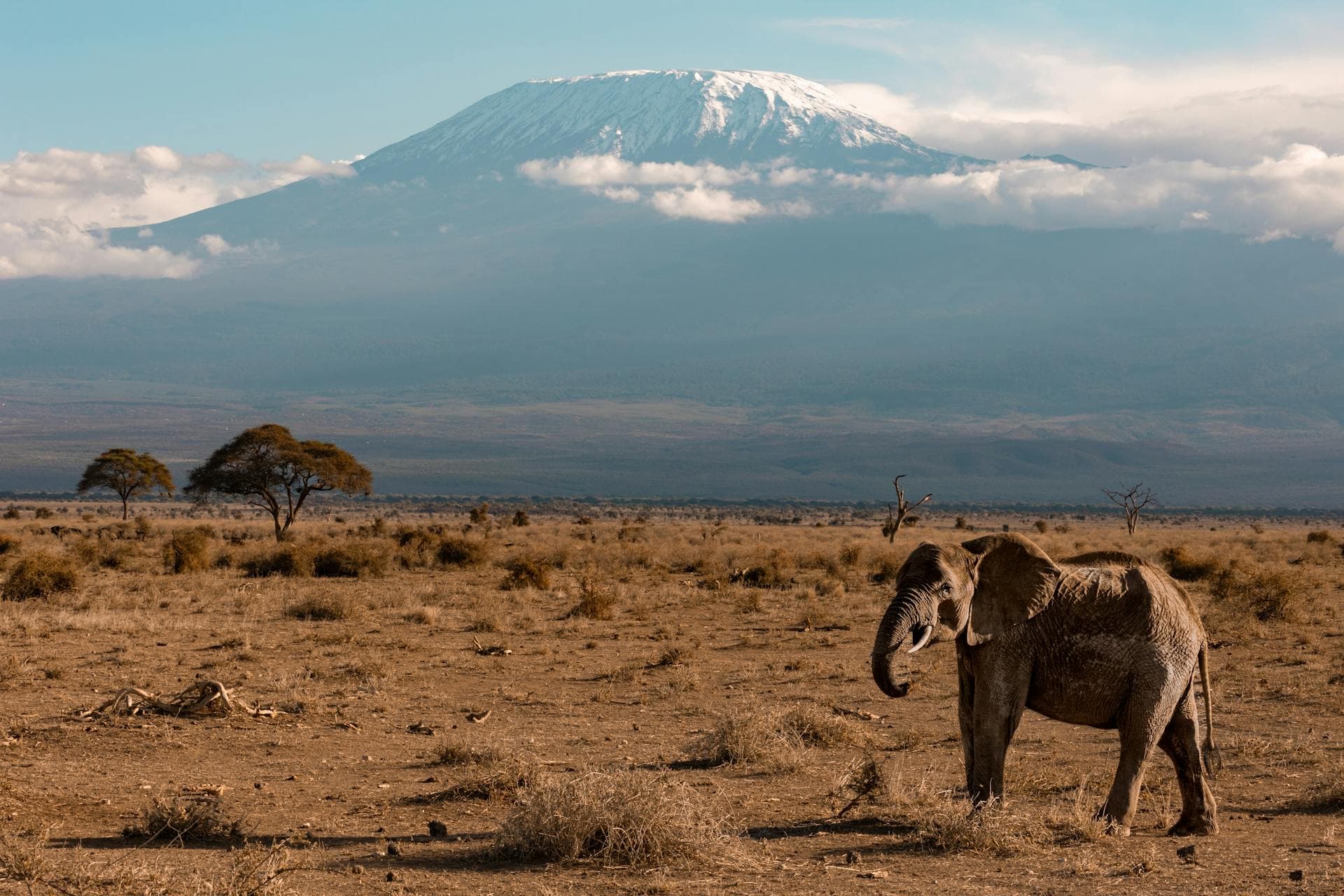
Kilimanjaro is the highest peak in Africa at 5,895 meters and the tallest free-standing mountain in the world. The standard combo trip pairs the seven-to-nine-day climb with three to five days on safari across the Serengeti and Ngorongoro Crater. The medical risk profile splits across the two halves. Above about 1,800 meters on Kilimanjaro, malaria-carrying mosquitoes drop off, so the upper mountain is malaria-free. The Serengeti, Ngorongoro, and the lower-elevation start in Moshi or Arusha all sit squarely in a year-round falciparum-malaria transmission zone per CDC. Atovaquone-proguanil is CDC's first-line chemoprophylaxis for Tanzania and is about 95% effective in non-immune travelers. The combo trip is what most people fly to Tanzania for; Malarone is what makes it safe.
Tanzania travel health guide — vaccines, snapshot overview, and what to review before you go.
Orders are reviewed and prescriptions sent to your pharmacy within 24 hours.
Booking questions, platform help, or just not sure where to start, give us a call.
+1 (302) 251-2302Rx at your pharmacy in three steps.
No appointment. No waiting room. Answer a few questions and a licensed provider reviews within hours.
Your destination, dates, health history, and current medications. Takes about 2 minutes.
A licensed clinician reviews your health profile, checks for interactions, and approves your prescription.
- Allergy screen passed
- Drug interactions clear
- Prescription approved
Your approved prescription is sent electronically to the pharmacy of your choice. Pick it up when your pharmacy has it ready.
Skip the appointment. Get the same Rx.
Both columns cover the visit and prescribing only. Your pharmacy bills the medication itself on either side.
Medications in the Kilimanjaro & Serengeti plan
Kilimanjaro & Serengeti medication FAQ
- Yes for most travelers. The CDC classifies the Serengeti, Ngorongoro Crater, and all areas of Tanzania below 1,800 meters as year-round falciparum malaria transmission zones. Falciparum is the most dangerous strain — it's the one that causes cerebral malaria. Non-immune travelers from the US and Europe have no background immunity, so chemoprophylaxis is the standard of care. Atovaquone-proguanil (Malarone) is the CDC first-line option and is about 95% effective when taken correctly. The only travelers who skip it are those with a documented allergy or interaction, in which case doxycycline or mefloquine are alternatives.
- Start one tab once daily one to two days before you enter the malaria zone, continue daily through the trip, and for seven days after you leave. For a combo trip flying into Kilimanjaro Airport (JRO) and going straight on safari, that usually means starting the day before your flight. Take it with food or a milky drink to improve absorption and reduce stomach upset. If you climb Kilimanjaro first and then safari afterward, you still start at the same time — there's no benefit to delaying.
- No. This pack is built around the Tanzania safari malaria risk, which is what defines the combo trip from a chemoprophylaxis standpoint. For Kilimanjaro itself, acetazolamide (Diamox) is the CDC-recommended altitude prophylaxis and is a separate Wandr visit. Most Kilimanjaro climbers should consider both Malarone and Diamox — Malarone for the lower-elevation start, descent, and safari leg; Diamox for the rapid ascent above 2,500 meters and the summit night attempt from Barafu Camp at 4,673 meters. Book a second visit if you want Diamox added alongside this pack.
- Three prescriptions in one visit. Atovaquone-proguanil (Malarone) one tab daily to prevent malaria across the Serengeti, Ngorongoro, and the entire lower-elevation safari circuit. Prescription-strength ibuprofen for summit-night headache on Kilimanjaro, joint pain on the steep descent through Mweka Gate, and the general aches of long days bouncing across the Serengeti in a safari vehicle. Clotrimazole-betamethasone for the tropical rashes, fungal flare-ups, and humid-climate skin issues that show up after a week of sweating into trek layers, sleeping in tented safari camps, and showering rarely. Three risks, three prescriptions, one visit.
- Orders are reviewed by a US-licensed provider and the Rx is sent electronically to your pharmacy within 24 hours. Most travelers can pick it up the same day.
- After your provider approves the Rx, it's sent electronically to whichever pharmacy you choose during your visit. Your pharmacy will tell you when the medication is ready for pickup. You can use your pharmacy insurance to cover the medication itself.
- If a provider can't safely prescribe (rare, usually due to a contraindication or drug interaction), the visit fee is refunded in full. You only pay if the Rx is sent.
Climb Kilimanjaro and cross the Serengeti with the right prescription.
Malarone before you fly. Prescription-strength ibuprofen and clotrimazole-betamethasone in your pack for whatever the climb and the safari throw at you. Reviewed by a US-licensed provider, ready at your pharmacy in under 24 hours.