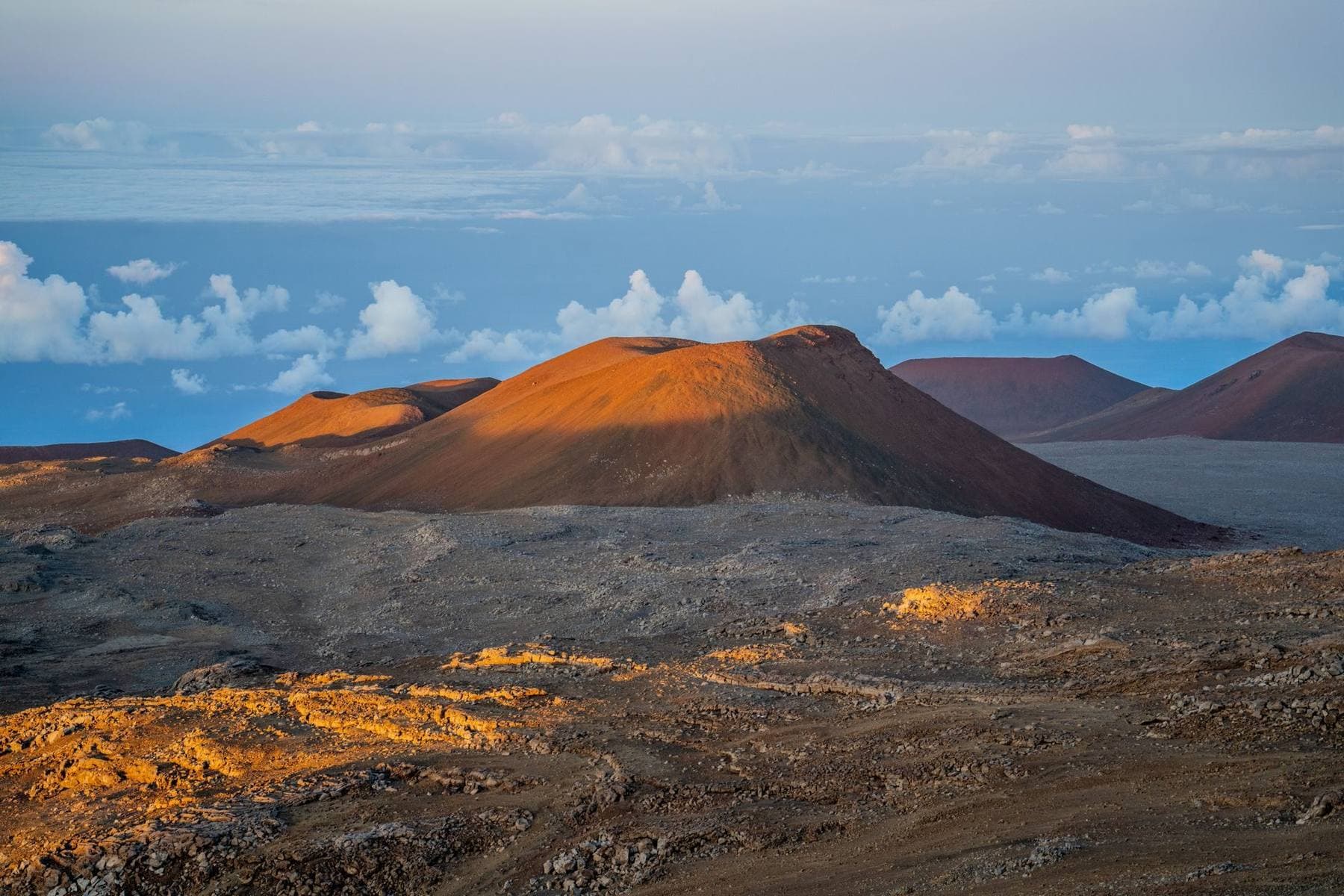
Mauna Kea · Hawai'i Island · Travel Medicine
From sea level to 13,803 feet before sunset is the fastest big-altitude jump in travel. Your body notices.
Pack acetazolamide, Rx-strength ibuprofen, and a sleep aid for the jet lag before you fly to Kona or Hilo. Ready at your pharmacy at home, in your bag before you reach the Visitor Information Station.
- Physician-founded
- Licensed in all 50 states
- HSA / FSA eligible
- Same-day Rx in most cases
Mauna Kea's summit is 13,803 feet, the highest point in the Pacific, and the access road gets you there from the ocean in a single afternoon. That is the problem. Trekkers in Nepal or Peru spend days climbing into thin air; on the Big Island you can be snorkeling at sea level in the morning and standing above 13,000 feet at sunset, with almost no time to acclimatize. The University of Hawai'i asks every visitor to stop and acclimatize at the Visitor Information Station at 9,200 feet, and warns people with heart or lung conditions, pregnant travelers, kids under 13, and anyone who has been scuba diving in the last 24 hours not to go higher at all. Acetazolamide is the medication that does for you in one day what your body would otherwise take three to five days to do on its own. The nearest hospital is back down in Hilo or Waimea, an hour or more of switchbacks below the summit. The pre-trip Rx is the difference between a clear-sky sunset above the clouds and a pounding headache that sends you back down before the stars come out.
United States travel health guide — vaccines, snapshot overview, and what to review before you go.
Orders are reviewed and prescriptions sent to your pharmacy within 24 hours.
Booking questions, platform help, or just not sure where to start, give us a call.
+1 (302) 251-2302Rx at your pharmacy in three steps.
No appointment. No waiting room. Answer a few questions and a licensed provider reviews within hours.
Your destination, dates, health history, and current medications. Takes about 2 minutes.
A licensed clinician reviews your health profile, checks for interactions, and approves your prescription.
- Allergy screen passed
- Drug interactions clear
- Prescription approved
Your approved prescription is sent electronically to the pharmacy of your choice. Pick it up when your pharmacy has it ready.
Skip the appointment. Get the same Rx.
Both columns cover the visit and prescribing only. Your pharmacy bills the medication itself on either side.
Medications in the Mauna Kea & the Big Island plan
Mauna Kea medication FAQ
- Hawai'i at sea level needs nothing. Mauna Kea is a different trip. The summit is 13,803 feet, well above the roughly 8,200 foot (2,500 meter) level where CDC says altitude illness becomes common, and the access road takes you there from the ocean in a single afternoon. That speed is exactly what causes acute mountain sickness: your body has no time to adjust. The University of Hawai'i asks every visitor to acclimatize at the Visitor Information Station at 9,200 feet before continuing, and that stop is there for a reason. Acetazolamide started the day before your summit trip lets your body keep up with the climb instead of falling behind it.
- The standard preventive dose is 125 mg by mouth twice daily, started the day before you plan to go to the summit and continued through your summit day. Acetazolamide works by speeding up the acclimatization that would otherwise take three to five days, so it is most useful when you are gaining altitude fast, which is the whole story on Mauna Kea. Common, harmless effects include tingling in the fingers and toes and a flat taste to carbonated drinks. Drink plenty of water; the summit air is extremely dry and the University of Hawai'i recommends roughly 500 ml of water per person per hour up top.
- Three prescriptions in one visit. Acetazolamide (Diamox) to prevent and treat acute mountain sickness on the fast climb to 13,803 feet. Prescription-strength ibuprofen for the altitude headache, which is the most common symptom of a too-quick ascent, and for the long lava-field day hikes on the rest of the island. And hydroxyzine, a sleep aid for the mainland-to-Hawai'i jet lag and the broken sleep that altitude tends to cause, so you can rest before a pre-dawn or sunset summit run. Three problems, three prescriptions, one visit.
- The University of Hawai'i advises against going above the Visitor Information Station at 9,200 feet if you are pregnant, under 13 years old, have a heart or respiratory condition or high blood pressure, or have been scuba diving in the previous 24 hours, because the rapid altitude gain can be dangerous in those situations. Acute mountain sickness can progress to high altitude pulmonary edema (fluid in the lungs) or high altitude cerebral edema (swelling in the brain), both of which are emergencies. If you develop a severe headache, vomiting, confusion, breathing trouble, or loss of coordination at altitude, the treatment is to descend immediately and get medical help. A medication review with a licensed provider before your trip is a good time to check whether the summit is a safe call for you.
- No. Hawai'i is part of the United States and there is no malaria and no required travel vaccine to visit. This page is not about an exotic-disease risk; it is about altitude. The only meaningful travel-medicine issue on a Big Island trip is the speed of the climb to the Mauna Kea summit, which is why the prescriptions here are an altitude medication, a headache medication, and a sleep aid for jet lag rather than anything you would associate with the tropics.
- Orders are reviewed by a US-licensed provider and the Rx is sent electronically to your pharmacy within 24 hours. Most travelers can pick it up the same day, which matters when a Mauna Kea summit tour or stargazing trip is often booked only a few days ahead around the weather.
Stand on the highest point in the Pacific with the prescriptions you'll wish you packed.
One visit, three prescriptions for the trip that takes you from sea level to 13,803 feet in an afternoon. Reviewed by a US-licensed provider, ready at your pharmacy before you fly to the Big Island.