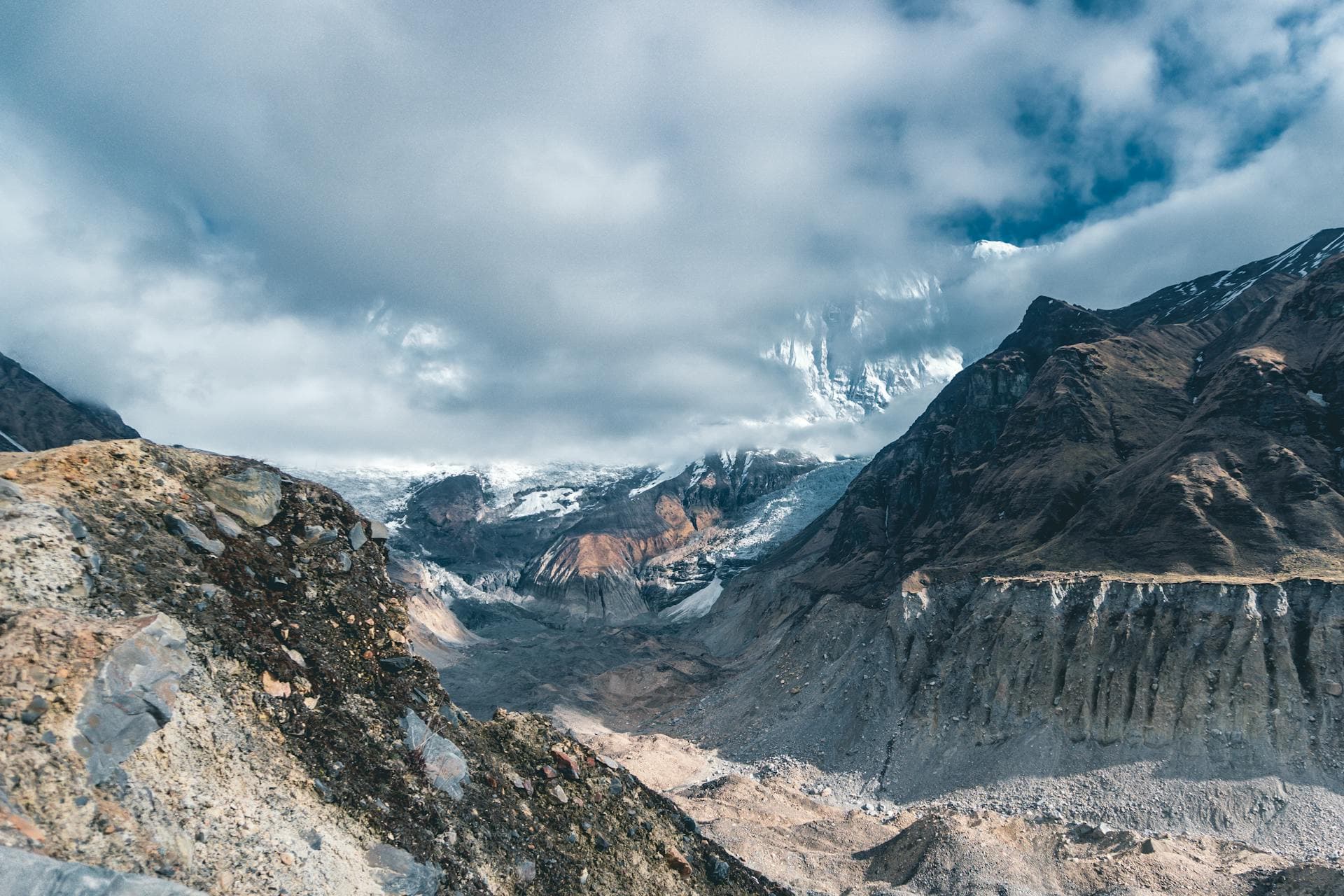
Travel medicine for Nepal
Going to Everest base camp? Start Diamox before you fly to Lukla.
Get the altitude medication the CDC recommends for trekking above 2,500 meters, prescribed without the appointment. Sent to your pharmacy, ready before you fly.
- Physician-founded
- Licensed in all 50 states
- HSA / FSA eligible
- Same-day Rx in most cases
Standard Everest base camp itineraries climb from Lukla at 2,860 meters to base camp at 5,364 meters in eight to ten days. Annapurna Circuit treks cross Thorong La at 5,416 meters. The CDC reports that even on standard acclimatization schedules, altitude illness affects close to 30 percent of trekkers at higher elevations in Nepal, with most symptoms starting after Namche Bazaar at 3,440 meters. Acetazolamide hastens acclimatization, compressing the body's normal three to five day adjustment into one. Started the day before you fly, it is the difference between hitting base camp and turning around at Tengboche.
Nepal travel health guide — vaccines, snapshot overview, and what to review before you go.
Orders are reviewed and prescriptions sent to your pharmacy within 24 hours.
Booking questions, platform help, or just not sure where to start, give us a call.
+1 (302) 251-2302Rx at your pharmacy in three steps.
No appointment. No waiting room. Answer a few questions and a licensed provider reviews within hours.
Your destination, dates, health history, and current medications. Takes about 2 minutes.
A licensed clinician reviews your health profile, checks for interactions, and approves your prescription.
- Allergy screen passed
- Drug interactions clear
- Prescription approved
Your approved prescription is sent electronically to the pharmacy of your choice. Pick it up when your pharmacy has it ready.
Skip the appointment. Get the same Rx.
Both columns cover the visit and prescribing only. Your pharmacy bills the medication itself on either side.
Medications in the Everest Base Camp & Annapurna plan
Nepal Himalayan trek medication FAQ
- The CDC notes that even on standard acclimatization schedules, altitude illness affects close to 30 percent of trekkers at higher elevations in Nepal. The standard Everest base camp route climbs from Lukla at 2,860 meters to base camp at 5,364 meters in eight to ten days, and the Annapurna Circuit crosses Thorong La at 5,416 meters. CDC reports that acetazolamide compresses the body's normal three to five day acclimatization into one, and recommends it as prophylaxis when ascending above 2,500 meters. Started the day before you fly to Lukla or before you begin the Annapurna ascent, it is the difference between reaching base camp and turning around at Tengboche or Manang.
- The CDC recommends 125 mg twice daily, starting one day before ascent, continuing through ascent and for at least two days at your highest altitude. For a Lukla to EBC trek, that means the morning before your Lukla flight, continuing through Namche, Tengboche, Dingboche, Lobuche, and base camp. For an Annapurna Circuit trek, start the day before you begin the climb out of the valley. Side effects most travelers notice are tingling in fingers and toes, more frequent urination, and a flat taste to carbonated drinks. Your provider will walk through the timing during your visit.
- Three medications that cover the altitude exposure across an eight to fourteen day trek. Acetazolamide (Diamox) is the AMS prophylaxis the CDC recommends for ascending above 2,500 meters, taken 125 mg twice daily starting the day before you fly. Prescription-strength ibuprofen handles the altitude headache that becomes routine above Namche and the joint pain that compounds on long descent days. Hydroxyzine (Vistaril) addresses the sleep disruption that hits almost every trekker above 4,000 meters and that the CDC notes can worsen AMS by interrupting nighttime breathing. Together they let you keep moving up the trail instead of turning back at the next teahouse.
- Orders are reviewed by a US-licensed provider and the Rx is sent electronically to your pharmacy within 24 hours. Most travelers can pick it up the same day.
- After your provider approves the Rx, it is sent electronically to whichever pharmacy you choose during your visit. Your pharmacy will tell you when the medication is ready for pickup. You can use your pharmacy insurance to cover the medication itself.
- If a provider cannot safely prescribe (rare, usually due to a sulfa allergy or kidney contraindication for acetazolamide), the visit fee is refunded in full. You only pay if the Rx is sent.
The trail to base camp gains a mile of altitude. Start the medication that gets you there.
Get the acetazolamide the CDC recommends for trekking above 2,500 meters, prescribed without the appointment.