Travel medicine for Bolivia
La Paz starts above 12,000 feet. Diamox is how you keep day one.
Get the altitude medication the CDC recommends for rapid ascent above 2,500 meters, prescribed without the appointment. Sent to your pharmacy, ready before you fly.
- Physician-founded
- Licensed in all 50 states
- HSA / FSA eligible
- Same-day Rx in most cases
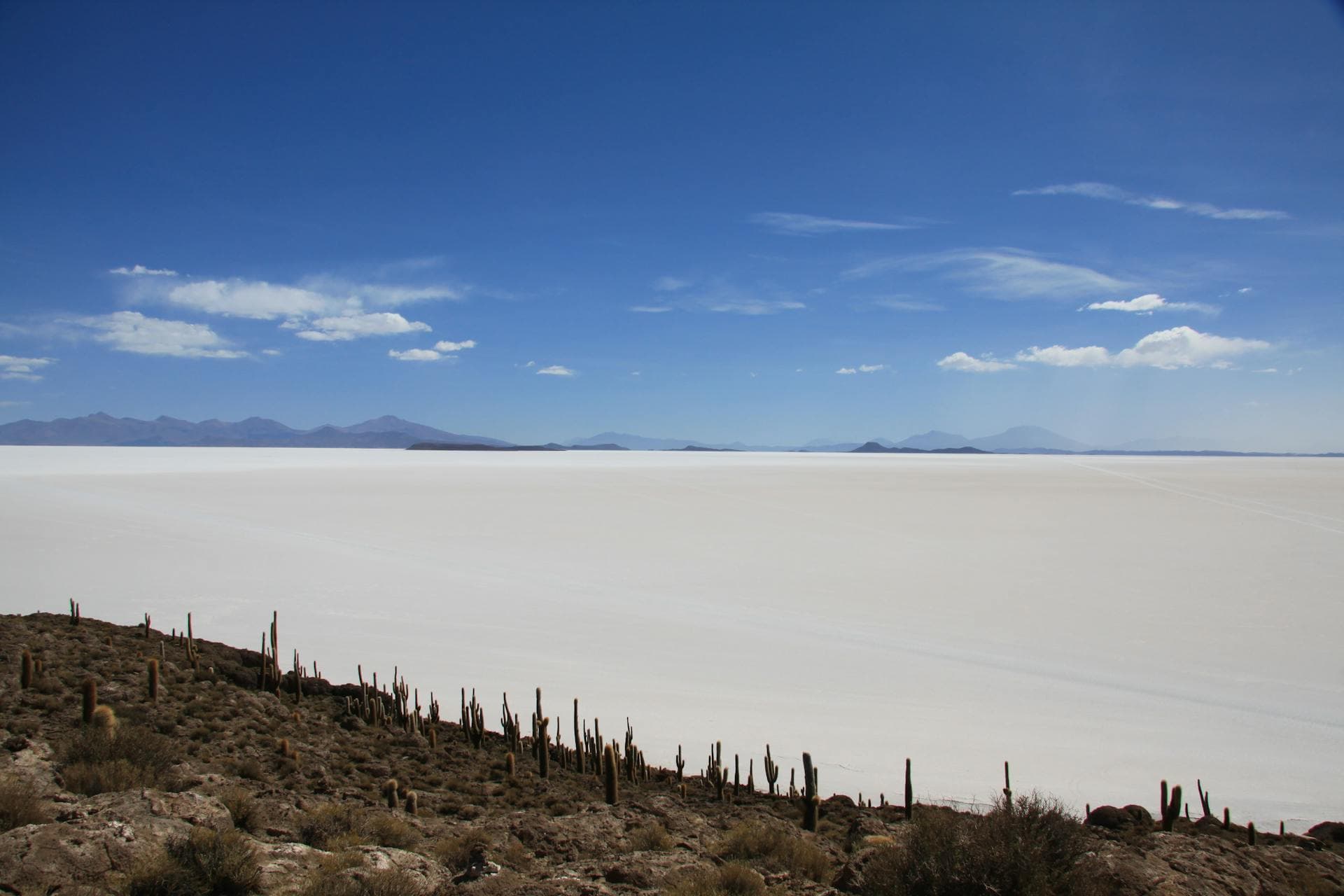
Bolivia is the rare itinerary where day one is the highest altitude. El Alto International, the airport serving La Paz, sits at 4,061 meters, and most travelers go from sea level to extreme elevation in a single flight. The CDC reports roughly 75 percent of unacclimatized travelers develop acute mountain sickness after rapid ascent above 4,000 meters, and a meta-analysis in the BMJ found that prophylactic acetazolamide reduces AMS incidence by about 44 percent. Salar de Uyuni and Potosí stay above 3,600 meters, so the altitude exposure is not just the arrival, it is the whole trip. Starting Diamox the day before you fly is how you keep your first 48 hours on the ground.
Bolivia travel health guide — vaccines, snapshot overview, and what to review before you go.
Orders are reviewed and prescriptions sent to your pharmacy within 24 hours.
Booking questions, platform help, or just not sure where to start, give us a call.
+1 (302) 251-2302Rx at your pharmacy in three steps.
No appointment. No waiting room. Answer a few questions and a licensed provider reviews within hours.
Your destination, dates, health history, and current medications. Takes about 2 minutes.
A licensed clinician reviews your health profile, checks for interactions, and approves your prescription.
- Allergy screen passed
- Drug interactions clear
- Prescription approved
Your approved prescription is sent electronically to the pharmacy of your choice. Pick it up when your pharmacy has it ready.
Skip the appointment. Get the same Rx.
Both columns cover the visit and prescribing only. Your pharmacy bills the medication itself on either side.
Medications in the Salar de Uyuni & La Paz plan
Bolivia medication FAQ
- Bolivia is one of the few itineraries where you cannot ease into altitude. El Alto airport, the main entry point for La Paz, sits at 4,061 meters, and the CDC reports that roughly 75 percent of unacclimatized travelers develop acute mountain sickness after rapid ascent above 4,000 meters. Salar de Uyuni stays at 3,656 meters and Potosí climbs to 4,090 meters, so the altitude exposure runs the length of the trip. A BMJ meta-analysis of randomized trials found that acetazolamide prophylaxis cuts AMS incidence by about 44 percent at standard doses. Starting it the day before you fly is the difference between a usable day one and a day in the hotel with a headache.
- The CDC recommends starting acetazolamide 125 mg twice daily one day before ascent, continuing during ascent and for at least two days at your highest altitude. For a typical Bolivia itinerary, that means taking the first dose the morning before your flight into La Paz, continuing through your days in the city and on the Uyuni circuit, and tapering after you descend to lower elevation. Side effects most travelers notice are tingling in the fingers and toes, more frequent urination, and a flat taste to carbonated drinks. Your provider will walk you through the timing during your visit.
- Three medications that cover the first-48-hour symptom picture at altitude. Acetazolamide (Diamox) is the AMS prophylaxis the CDC recommends for rapid ascent, taken 125 mg twice daily starting the day before you fly. Prescription-strength ibuprofen handles the altitude headache that the CDC describes as the most common AMS symptom on day one. Hydroxyzine (Vistaril) addresses the sleep disruption that affects almost every traveler above 3,000 meters and that the CDC notes can worsen AMS by interrupting nighttime breathing patterns. Together they let you treat each symptom as it appears instead of losing a day or a Uyuni departure to it.
- Orders are reviewed by a US-licensed provider and the Rx is sent electronically to your pharmacy within 24 hours. Most travelers can pick it up the same day.
- After your provider approves the Rx, it is sent electronically to whichever pharmacy you choose during your visit. Your pharmacy will tell you when the medication is ready for pickup. You can use your pharmacy insurance to cover the medication itself.
- If a provider cannot safely prescribe (rare, usually due to a sulfa allergy or kidney contraindication for acetazolamide), the visit fee is refunded in full. You only pay if the Rx is sent.
Bolivia does not let you acclimatize. Start the medication that does.
Get the acetazolamide the CDC recommends for rapid ascent above 4,000 meters, prescribed without the appointment.