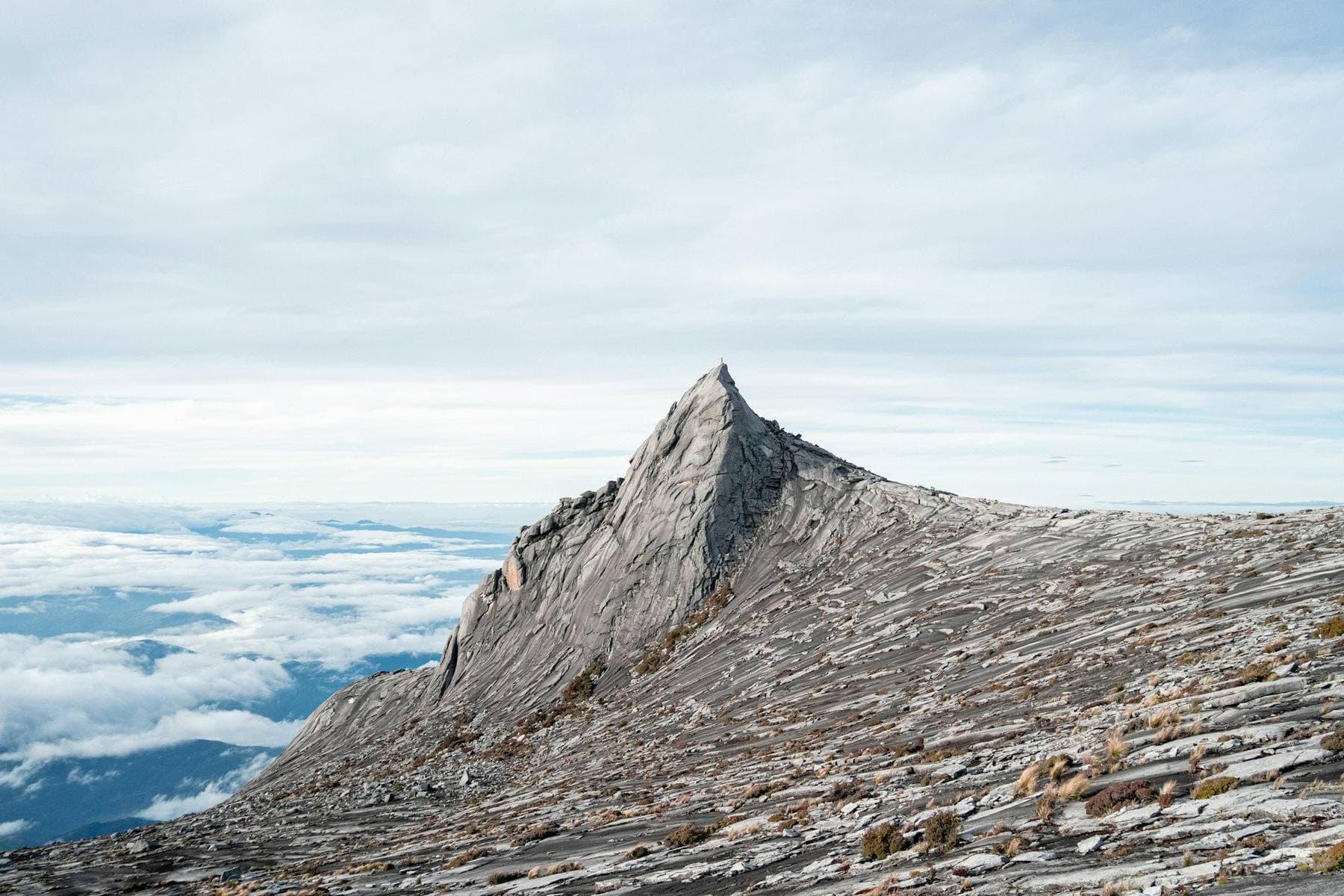
Travel medicine for Mt. Kinabalu & Borneo
The summit is the altitude. The rainforest is the malaria. Borneo asks you to prepare for both.
Get the altitude medication the CDC recommends for climbing above 2,500 meters, plus malaria prevention for the lowland jungle, prescribed without the appointment and sent to your pharmacy before you fly.
- Physician-founded
- Licensed in all 50 states
- HSA / FSA eligible
- Same-day Rx in most cases
Low's Peak tops out at 4,095 meters, the highest point in Borneo, and the standard climb gets you there in two days. You sleep once at Panalaban around 3,272 meters, then push for the summit at 2 a.m. Going from near sea level to that height in under 48 hours is exactly the rate of ascent the CDC flags as the main driver of acute mountain sickness, and acetazolamide compresses the body's normal three to five day acclimatization into one. Most Borneo trips pair the climb with lowland rainforest — the Kinabatangan, Danum Valley, Sepilok — where the CDC recommends malaria prophylaxis for the forested areas of Sabah and Sarawak. Two distinct risks, two medications you start before you leave.
Malaysia travel health guide — vaccines, snapshot overview, and what to review before you go.
Orders are reviewed and prescriptions sent to your pharmacy within 24 hours.
Booking questions, platform help, or just not sure where to start, give us a call.
+1 (302) 251-2302Rx at your pharmacy in three steps.
No appointment. No waiting room. Answer a few questions and a licensed provider reviews within hours.
Your destination, dates, health history, and current medications. Takes about 2 minutes.
A licensed clinician reviews your health profile, checks for interactions, and approves your prescription.
- Allergy screen passed
- Drug interactions clear
- Prescription approved
Your approved prescription is sent electronically to the pharmacy of your choice. Pick it up when your pharmacy has it ready.
Skip the appointment. Get the same Rx.
Both columns cover the visit and prescribing only. Your pharmacy bills the medication itself on either side.
Medications in the Mt. Kinabalu & Borneo plan
Mt. Kinabalu & Borneo medication FAQ
- Low's Peak sits at 4,095 meters, and the standard two-day climb gets you there fast — one overnight at Panalaban around 3,272 meters before a roughly 2 a.m. summit push. The CDC sets the threshold for acute mountain sickness at sleeping altitudes above 2,500 meters and identifies rate of ascent as a key risk driver. Going from near sea level at Kota Kinabalu to sleeping above 3,200 meters and summiting above 4,000 meters in under 48 hours is a fast profile for the height reached, which puts most climbers in the zone where AMS is common. The CDC recommends acetazolamide chemoprophylaxis for ascents like this, and started the day before you climb it compresses the body's normal three to five day acclimatization into one.
- The CDC recommends 125 mg twice daily, starting one day before ascent, continuing through ascent and for at least two days at your highest altitude. For the Kinabalu climb that means starting the morning before you set off from Timpohon Gate, taking it through your overnight at Panalaban, and keeping it going through the summit of Low's Peak and the descent. Side effects most climbers notice are tingling in fingers and toes, more frequent urination, and a flat taste to carbonated drinks. Your provider will walk through the timing during your visit.
- On the mountain itself the altitude is the story, not malaria. But most Borneo itineraries pair Kinabalu with lowland rainforest — the Kinabatangan River, Danum Valley, Sepilok — and the CDC recommends malaria prophylaxis for the rural and forested areas of Sabah and Sarawak. Malaysian Borneo is also the global hotspot for Plasmodium knowlesi, a malaria parasite carried by macaques and passed to people who spend time at the forest fringe, and it is a leading cause of malaria hospitalization in Sabah and Sarawak. Atovaquone-proguanil (Malarone) is one of the CDC's recommended options, taken once daily starting 1 to 2 days before you reach the jungle and continued for 7 days after you leave it. If your trip is the climb only and skips the lowland forest, your provider can tell you whether you need it.
- Three medications that cover the two distinct risks of a Borneo trip. Acetazolamide (Diamox) is the AMS prophylaxis the CDC recommends for the fast climb above 2,500 meters, taken 125 mg twice daily starting the day before you begin climbing. Atovaquone-proguanil (Malarone) covers the lowland rainforest legs the CDC flags for malaria in Sabah and Sarawak, taken once daily. Prescription-strength ibuprofen handles the altitude headache at Panalaban and on the summit ridge, which the CDC notes ibuprofen 600 mg every 8 hours independently helps prevent, and it doubles for the granite descent that is famously hard on the knees. Together they cover the summit and the jungle in a single visit.
- Orders are reviewed by a US-licensed provider and the Rx is sent electronically to your pharmacy within 24 hours. Most travelers can pick it up the same day.
- If a provider cannot safely prescribe (rare, usually due to a sulfa allergy with prior anaphylaxis or a kidney contraindication for acetazolamide, or a specific interaction for atovaquone-proguanil), the visit fee is refunded in full. You only pay if the Rx is sent.
The summit is above 4,000 meters and the rainforest carries malaria. Start both medications before you fly.
Get the acetazolamide the CDC recommends for the Kinabalu climb and Malarone for the Borneo lowlands, prescribed without the appointment.