
Travel Health Guide: Indonesia — The Malaria Map, Bali vs the Rest, Volcanoes, and What Most US Travelers Get Wrong
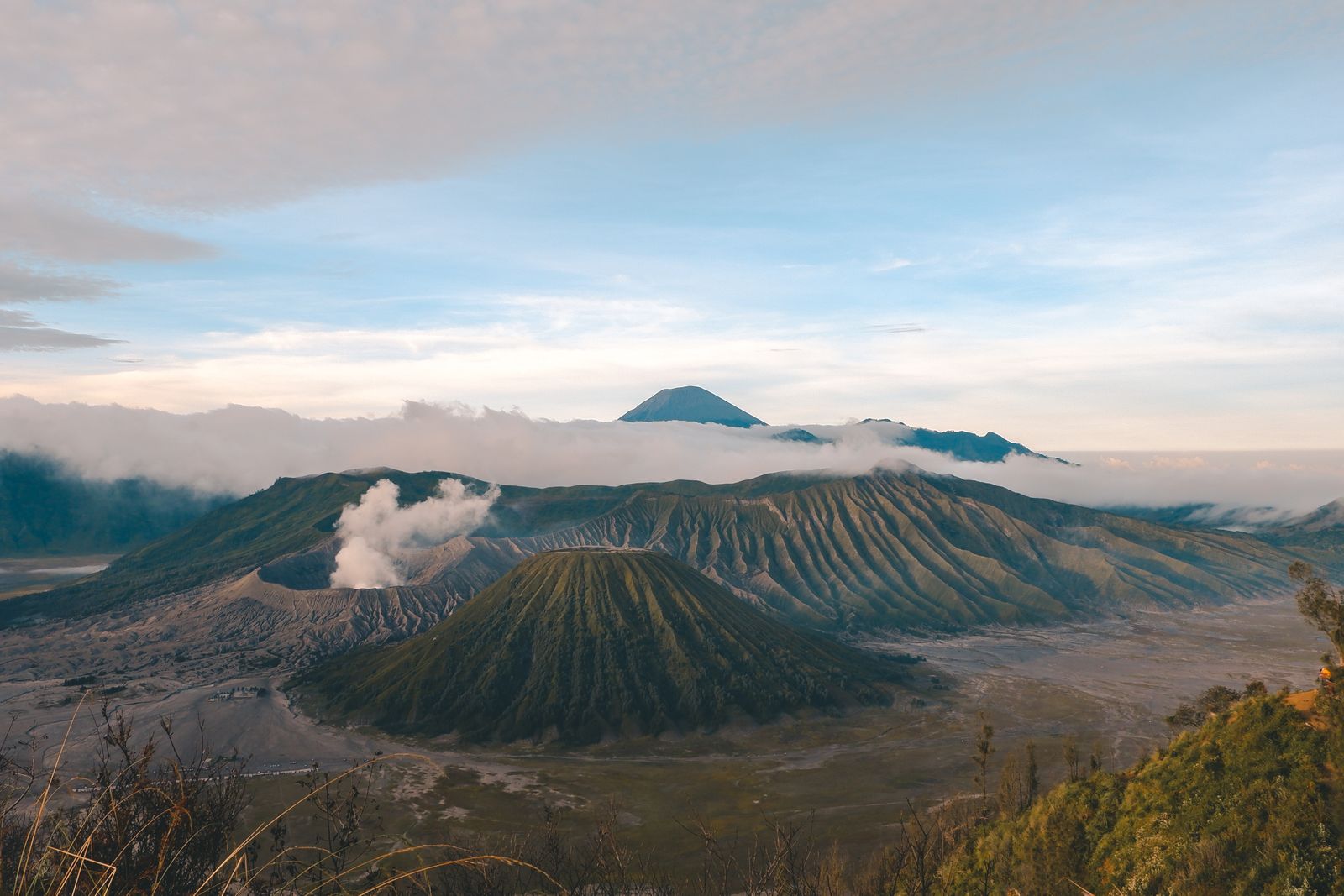
Indonesia is not one health destination. It is more than 17,000 islands spread across three time zones, and the single most important fact for a US traveler is that the disease map changes dramatically depending on where you go. Bali, Jakarta, the Gili Islands, and the main tourist resorts are essentially malaria-free, so most beach-and-temple travelers do not need malaria pills. But the five eastern provinces (East Nusa Tenggara, Maluku, North Maluku, Papua, and West Papua) carry year-round malaria, including drug-resistant P. falciparum, and travelers heading there need prescription antimalarials. Beyond malaria, nearly every traveler should be current on routine vaccines plus hepatitis A and typhoid, and most should add Japanese encephalitis for longer rural stays. Dengue circulates nationwide, rabies is a real risk (including from Bali's free-roaming dogs and monkeys), and Indonesia sits on the Pacific Ring of Fire with several active volcanoes under eruption alerts in 2026. The good news: with the right vaccines, a malaria decision tailored to your exact itinerary, mosquito-bite prevention, and travel insurance that includes medical evacuation, Indonesia is a manageable and rewarding trip.
Quick Facts
- Region: Southeast Asia / Oceania (Maritime Southeast Asia)
- CDC Travel Health Notice level: Level 1 (Practice Usual Precautions) as of 2026, with active volcano and measles advisories
- US State Department advisory: Level 2 (Exercise Increased Caution) as of 2026
- Time difference from US East Coast: roughly +11 to +13 hours depending on island and season
- Typical US-to-Indonesia flight time: 19 to 26+ hours with at least one connection (no nonstop service from the US)
- Top health risks for US travelers: traveler's diarrhea, dengue, rabies exposure, malaria (eastern provinces and rural areas only), scooter and traffic injury, heat illness, volcanic and altitude exposure on trekking, dive injuries
- Required vaccines: Yellow fever only if arriving from a country with risk of yellow fever transmission (not required for direct travel from the US)
- Recommended vaccines: Routine US schedule current (MMR, Tdap, polio, varicella, annual flu, COVID-19); hepatitis A and typhoid for most travelers; hepatitis B, Japanese encephalitis, and rabies depending on itinerary
- Recommended medications to consider: Antimalarial prophylaxis (atovaquone-proguanil, doxycycline, or mefloquine) for eastern provinces and high-risk rural areas only; azithromycin standby for traveler's diarrhea; motion sickness medication for ferries and dive boats; acetazolamide for high-volcano trekking
- Travel insurance: Strongly recommended, with medical evacuation coverage to Singapore or Australia
Why Indonesia Breaks the Usual Destination Rules
Most destination guides give you one malaria answer and one vaccine list. Indonesia does not work that way. The country spans the distance from London to Tehran, and its health geography is a patchwork. A honeymooner doing Bali, Ubud, and the Gili Islands faces a very different risk profile from a diver heading to Raja Ampat in West Papua or a trekker climbing in Flores.
The mistake we see most often is travelers who read "Indonesia has malaria" and either overtreat (taking antimalarials for a malaria-free Bali resort week, dealing with side effects for no benefit) or undertreat (skipping pills entirely before a trip through Papua, where the risk is real and year-round). Getting this right requires matching the medication decision to your specific islands and activities, not to the country as a whole.
The second mistake is assuming that because Bali feels developed and tourist-friendly, the health risks are negligible. Bali has one of the most active rabies situations in Southeast Asia, dengue circulates heavily, and scooter crashes send more travelers to clinics than any infectious disease. Familiarity is not the same as safety.
Malaria in Indonesia: The Map That Actually Matters
Malaria is where Indonesia trips up the most travelers, so this is the section to read carefully. According to the US Centers for Disease Control and Prevention (CDC) and the World Health Organization (WHO), malaria risk in Indonesia is concentrated geographically.
No malaria risk (no pills needed): Jakarta municipality, other major cities and urban areas, and the main tourist resort areas, which includes Bali and the Gili Islands. If your trip is limited to these places, you do not need antimalarial prophylaxis. Mosquito-bite prevention still matters because of dengue, but malaria pills are not indicated.
High, year-round risk (prophylaxis recommended): The five eastern provinces of East Nusa Tenggara, Maluku, North Maluku, Papua, and West Papua have malaria transmission throughout the year, including Plasmodium falciparum, the most dangerous species, and Plasmodium vivax. Travelers to these provinces need a prescription antimalarial.
Variable risk (depends on the district): In other parts of the country, including rural areas of Sumatra, Kalimantan (Borneo), Sulawesi, and the rural parts of many islands, malaria risk exists in some districts but not others. A clinician matches your specific route to current CDC guidance.
For the high-risk areas, the CDC recommends one of three prescription options paired with strict mosquito-bite prevention: atovaquone-proguanil (Malarone), doxycycline, or mefloquine. The choice depends on drug-resistance patterns, your trip length, side-effect profiles, and your medical history. Mefloquine resistance exists in parts of eastern Indonesia, which is one reason a clinician needs to tailor the choice rather than defaulting to the cheapest option. Our guide to Malarone vs doxycycline walks through the trade-offs in detail.
A practical note on timing: atovaquone-proguanil starts 1 to 2 days before entering a malaria area and continues for 7 days after leaving, while doxycycline and mefloquine require a longer lead time. This is why the malaria decision needs to happen during trip planning, not at the airport.
Vaccines for Indonesia: What You Actually Need
Indonesia's recommended vaccine list is longer than most beach destinations because of the mix of food-and-water risk, mosquito-borne disease, and animal exposure. Here is how clinicians prioritize them.
Routine vaccines, current for everyone. Make sure your measles-mumps-rubella (MMR), tetanus-diphtheria-pertussis (Tdap), polio, varicella, influenza, and COVID-19 vaccinations are up to date. Two of these deserve special attention in 2026. Indonesia reported measles outbreak activity across dozens of districts and multiple provinces in early 2026, with West Sumatra among the hardest hit, so MMR immunity is non-negotiable. Indonesia has also reported polio activity in recent years, and the CDC and WHO advise all travelers to confirm their polio series is complete, with a one-time adult booster reasonable for many travelers.
Hepatitis A: recommended for essentially all travelers. Spread through contaminated food and water, hepatitis A is a real risk even at nice resorts. The vaccine is highly effective and protects for years.
Typhoid: recommended for most travelers. Especially important if you will eat outside major hotels and restaurants, visit smaller cities or rural areas, or stay with friends and relatives. Typhoid spreads through contaminated food and water, which is hard to avoid completely on a multi-island trip.
Hepatitis B: recommended for many travelers. Worth getting if you might have medical or dental care, get a tattoo or piercing, or have new sexual contacts. Given how common scooter injuries are, the chance of needing medical care in Indonesia is higher than travelers expect.
Japanese encephalitis: recommended for longer rural stays. This mosquito-borne virus circulates in rural and agricultural areas, particularly near rice paddies and pig farming, and Bali has documented year-round transmission. The CDC recommends the vaccine for travelers spending a month or more in rural areas, and for shorter trips with extensive rural or outdoor exposure during transmission season. It is a two-dose series, so plan ahead.
Rabies: recommended for higher-risk travelers. More on this below, but pre-exposure rabies vaccination is worth discussing if you will be around animals, cycling or running in areas with free-roaming dogs, doing extended rural travel, or traveling with children.
Yellow fever: only an entry requirement. Indonesia does not have yellow fever, but it requires proof of yellow fever vaccination if you are arriving from a country with risk of transmission. If you are flying directly from the US, this does not apply.
For vaccines like hepatitis A, typhoid, and Japanese encephalitis, Wandr books your appointment at a partner pharmacy near you, and the pharmacist administers the vaccines on-site. For prescription medications like antimalarials, our clinicians review your trip and call the prescription in to your local pharmacy for pickup. The two workflows are separate, which we explain in the "How Wandr Helps" section below.
Dengue: The Mosquito Risk Every Traveler Shares
While malaria is geographically limited, dengue is everywhere in Indonesia, including Bali and the cities. Dengue is transmitted by Aedes mosquitoes that bite during the day, peaks during and after the rainy season (broadly November through April, though transmission occurs year-round), and there is no specific antiviral treatment.
Classic dengue presents 4 to 10 days after a bite with sudden high fever, severe headache, pain behind the eyes, intense muscle and joint aches (the old nickname is "breakbone fever"), and sometimes a rash. Most cases resolve with rest and fluids, but a minority progress to severe dengue, which is a medical emergency.
One clinical rule matters more than any other: if you develop a fever in Indonesia and dengue is possible, use acetaminophen (paracetamol) for fever and pain, not ibuprofen, aspirin, or other NSAIDs, which can increase bleeding risk if you have dengue. Seek medical care for warning signs like severe abdominal pain, persistent vomiting, bleeding gums, or lethargy. Because dengue and malaria can look similar early on, any fever during or after travel to Indonesia should be evaluated promptly. Our dengue prevention and symptoms guide covers this in more depth.
The prevention story for dengue is the same as for malaria and Japanese encephalitis: prevent bites. Use a repellent with 20 to 30 percent DEET or 20 percent picaridin, wear long sleeves at dawn and dusk, and sleep in air-conditioned or screened rooms. A repellent strategy is the single highest-value habit for an Indonesia trip, and we break down the options in our insect repellent guide.
Rabies: Bali's Dogs and Monkeys Are the Real Risk
Rabies deserves its own section because Indonesia, and Bali in particular, has an ongoing rabies problem that surprises travelers. Bali experiences regular dog rabies transmission, increased human rabies cases have been reported in West Timor, and the Sacred Monkey Forest and temple sites put visitors in close contact with macaques that scratch and bite.
Rabies is essentially 100 percent fatal once symptoms begin, but it is also nearly 100 percent preventable with prompt care after an exposure. If you are bitten or scratched by any mammal, including a monkey, dog, cat, or bat:
- Wash the wound immediately with soap and running water for at least 15 minutes.
- Apply an antiseptic such as iodine or alcohol if available.
- Seek medical care the same day for post-exposure treatment, regardless of whether you had the pre-exposure vaccine.
Post-exposure rabies treatment in Indonesia can be hard to access outside major centers, and rabies immune globulin in particular is often unavailable, which sometimes forces travelers to evacuate to Singapore or Bangkok for proper care. This is one of the strongest arguments both for pre-exposure rabies vaccination (it simplifies and shortens the treatment you need after a bite) and for travel insurance with medical evacuation. Do not feed, pet, or pose with monkeys, and keep children close at temple sites.
Traveler's Diarrhea and Water Safety
Traveler's diarrhea is the most common travel illness in Indonesia, affecting a large share of visitors. Tap water is not safe to drink anywhere in the country, including Bali. Stick to sealed bottled water, use it for brushing teeth, skip ice unless you know it was made from purified water, avoid raw and undercooked foods, and choose freshly cooked, hot meals.
Pack a traveler's diarrhea kit. For most cases, oral rehydration and loperamide (Imodium) for symptom control are enough. For moderate to severe cases, especially with fever or bloody stools, a standby antibiotic is appropriate. For Southeast Asia, azithromycin is generally preferred over ciprofloxacin because Campylobacter in the region is frequently resistant to fluoroquinolones. A clinician can call an azithromycin standby prescription in to your local pharmacy for pickup before you leave. Our Cipro vs azithromycin comparison explains why the regional choice matters, and our traveler's diarrhea complete guide covers self-treatment step by step. Add an anti-nausea medication like ondansetron if you are prone to vomiting, which is common with food-related illness and on rough ferry crossings.
Volcanoes, Altitude, and the Ring of Fire
Indonesia has more active volcanoes than any country on Earth, and 2026 has been an active year. Indonesian authorities (PVMBG) and international advisories have flagged eruption activity and exclusion zones at several volcanoes during 2026, including Mount Lewotobi Laki-laki in East Nusa Tenggara, Mount Ibu in North Maluku, Mount Marapi and Mount Semeru, among others. A 2023 eruption of Mount Marapi in West Sumatra killed more than 20 hikers, most of them students, a reminder that climbing an active volcano carries genuine risk.
If volcano trekking is on your list (Mount Bromo, Mount Ijen and its blue-fire sulfur mining area, or Mount Rinjani on Lombok), take it seriously:
- Check the official PVMBG alert level for your specific volcano before you go, and respect exclusion-zone radii. Conditions change quickly.
- At Kawah Ijen, toxic sulfur dioxide and hydrogen sulfide gas are a real hazard. A proper respirator (not a cloth mask) is recommended, and guides will pull groups out when the wind shifts.
- Mount Rinjani's summit is 3,726 meters (12,224 feet), high enough to cause altitude sickness. Ascend gradually, recognize the symptoms of acute mountain sickness, and discuss acetazolamide (Diamox) with a clinician if you are doing the summit push. Our altitude sickness symptoms, prevention, and treatment guide explains the warning signs and when to descend.
Indonesia also sits in one of the world's most seismically active zones, with frequent earthquakes and tsunami risk along coastlines. Know your accommodation's evacuation route in coastal areas, and if you feel a strong earthquake near the coast, move to high ground without waiting for an official alert.
Dive Safety: Komodo, Raja Ampat, and Remote Reefs
Indonesia is a world-class diving destination, and dive medicine is part of the health picture. Komodo's currents are strong, Raja Ampat in West Papua is spectacular but extremely remote, and the nearest recompression chamber may be a long boat ride or a flight away.
Dive within your certification and experience, build conservative surface intervals, and follow the standard pre-flight rule of waiting at least 18 hours after a single dive and 24 hours after multiple days of diving before flying, since many Indonesian dive trips end with a flight home or to another island. Decompression sickness far from a chamber is a worst-case scenario, so dedicated dive insurance (such as DAN coverage) is strongly recommended for any serious diving itinerary. Treat coral cuts promptly, because warm-water marine wounds infect easily.
Heat, Sun, and Scooter Injuries
Indonesia is equatorial, so heat and humidity are constant. Hydrate aggressively, take midday breaks, and watch for heat exhaustion on volcano hikes and temple days. UV is intense year-round; use broad-spectrum sunscreen and reapply after swimming and sweating. Our heat exhaustion and heat stroke guide covers the warning signs.
The most underrated injury risk in Indonesia is the scooter. Renting a motorbike in Bali or the Gili Islands is a rite of passage, and it is also the single most common reason travelers end up in a clinic. Traffic is chaotic, road conditions are variable, helmets are often skipped, and "Bali tattoo" road rash is a running joke among travelers for a reason. If you ride, wear a real helmet, cover your skin, do not drink and ride, and confirm your travel insurance actually covers motorbike use, since many policies exclude it unless you hold a valid motorcycle license.
Healthcare, Insurance, and Medical Evacuation
Healthcare quality in Indonesia varies enormously. Major centers in Jakarta, Bali (Denpasar), and Surabaya have private hospitals that can handle most issues, but rural areas, smaller islands, and the eastern provinces have very limited facilities. For serious illness or injury, travelers are frequently evacuated to Singapore or Australia.
This makes travel insurance with strong medical and medical-evacuation coverage essential, not optional. Aim for substantial medical coverage plus dedicated medical-evacuation coverage, since an air evacuation from a remote island to Singapore can cost tens of thousands of dollars out of pocket. Confirm that your policy covers the activities you plan, including diving, volcano trekking, and motorbike use, which are common exclusions. Our guide to travel insurance explains what to look for.
Region-by-Region Cheat Sheet
- Bali, Gili Islands, Lombok beaches: No malaria pills needed. Focus on dengue prevention, rabies awareness (dogs and monkeys), food and water safety, scooter caution, and sunburn. Japanese encephalitis worth considering for longer or rural stays.
- Yogyakarta and Java temples (Borobudur, Prambanan): Low malaria risk in tourist areas; dengue, food-and-water illness, heat, and traffic are the main concerns. Routine vaccines plus hepatitis A and typhoid.
- Volcano treks (Bromo, Ijen, Rinjani): Add altitude and toxic-gas planning, check PVMBG alerts, carry a respirator for Ijen, and consider acetazolamide for Rinjani's summit.
- Komodo and Flores: Malaria risk rises here (East Nusa Tenggara is a high-risk province), so antimalarial prophylaxis is generally recommended. Add dive safety planning.
- Papua, West Papua, Maluku, North Maluku (Raja Ampat, remote diving, trekking): Year-round malaria with drug-resistant P. falciparum; prophylaxis is recommended. Remote healthcare makes evacuation insurance and a thorough medical kit critical.
- Rural Sumatra, Kalimantan (Borneo), Sulawesi: Variable, district-level malaria risk; get an itinerary-specific assessment. Orangutan and jungle treks add rabies and injury considerations.
Your Indonesia Travel Health Kit
- Insect repellent with 20 to 30 percent DEET or 20 percent picaridin
- Antimalarial prophylaxis if your itinerary includes high-risk areas
- Azithromycin standby for traveler's diarrhea, plus loperamide and oral rehydration salts
- Anti-nausea medication (ondansetron) for ferries, dive boats, and food-related illness
- Motion sickness medication or a scopolamine patch for boat transfers
- Acetazolamide (Diamox) if trekking Rinjani or other high volcanoes
- Broad-spectrum sunscreen and after-sun care
- A basic wound-care kit (antiseptic, bandages, blister care) given scooter and trekking risk
- Any personal prescription medications in original labeled containers, with a copy of the prescription
How Wandr Helps You Prep for Indonesia
Wandr is a physician-founded travel health platform built to handle exactly this kind of multi-island, variable-risk trip without a separate in-person travel-clinic visit.
For vaccines like hepatitis A, typhoid, and Japanese encephalitis, Wandr books your appointment at a partner pharmacy near you, you pick a date and time, and the pharmacist administers the vaccines on-site. No separate doctor's appointment required.
For prescription medications like antimalarials, an azithromycin standby for traveler's diarrhea, a scopolamine patch for ferry crossings, or acetazolamide for volcano trekking, our clinicians review your itinerary and call the prescription in to your local pharmacy for pickup.
Start with our free pre-trip health check. Tell us your exact islands and activities, and we will map the malaria decision, vaccine list, and medications to your specific route, so you are neither overtreated for a Bali beach week nor underprepared for Papua.
Get your Indonesia travel medications reviewed and called in to your local pharmacy, and book your travel vaccines at a partner pharmacy near you, all before you fly.
Frequently Asked Questions
Do I need malaria pills for Bali? No. Bali is considered malaria-free, along with Jakarta, other major cities, and the main tourist resort areas, so antimalarial prophylaxis is not recommended for a standard Bali trip. You still need mosquito-bite prevention because dengue circulates there. Malaria pills are recommended only if your trip includes high-risk areas such as Papua, West Papua, Maluku, North Maluku, or East Nusa Tenggara.
What vaccines do I need for Indonesia? Make sure routine vaccines (MMR, Tdap, polio, varicella, flu, COVID-19) are current, and add hepatitis A and typhoid for most travelers. Depending on your itinerary, hepatitis B, Japanese encephalitis, and rabies may also be recommended. Yellow fever is only required if you are arriving from a country with yellow fever risk, not for direct travel from the US.
Is the tap water safe to drink in Indonesia? No. Tap water is not safe to drink anywhere in Indonesia, including Bali. Drink sealed bottled water, use it for brushing your teeth, avoid ice unless it was made from purified water, and choose freshly cooked, hot foods to reduce the risk of traveler's diarrhea.
How serious is the rabies risk in Bali? It is real. Bali has ongoing dog rabies transmission, and macaques at temples and the monkey forest can bite or scratch. Rabies is fatal once symptoms start but preventable with prompt care. If bitten or scratched, wash the wound for 15 minutes and seek medical care the same day. Pre-exposure rabies vaccination is worth discussing for higher-risk travelers.
Should I take antimalarials for Komodo and Flores? Generally yes. Komodo and Flores are in East Nusa Tenggara, one of the five eastern provinces with year-round malaria risk, so the CDC recommends antimalarial prophylaxis plus mosquito-bite prevention. A clinician will match the specific drug to your trip length and medical history.
Is it safe to climb volcanoes in Indonesia right now? It depends on the specific volcano. Several Indonesian volcanoes have been under eruption alerts and exclusion zones in 2026. Always check the official PVMBG alert level for your target volcano before climbing, respect exclusion-zone radii, use a respirator at Kawah Ijen for toxic gas, and consider altitude medication for high summits like Mount Rinjani.
What should I do if I get a fever in Indonesia? Treat fever and pain with acetaminophen (paracetamol), not ibuprofen or aspirin, because of dengue bleeding risk. Seek medical care promptly, since dengue and malaria can look similar early on. Any fever during or after travel to Indonesia, especially if you visited a malaria area, should be evaluated, and you should mention your travel history to any clinician.
Do I need travel insurance for Indonesia? Strongly recommended. Healthcare quality varies widely, and serious cases are often evacuated to Singapore or Australia, which can cost tens of thousands of dollars. Choose a policy with substantial medical coverage plus dedicated medical-evacuation coverage, and confirm it covers diving, trekking, and motorbike use if those are on your itinerary.
When is the best time to visit Indonesia for lower health risk? The dry season, roughly May through September, generally means fewer mosquitoes and lower dengue and malaria transmission than the rainy season, plus better trekking conditions. Mosquito-borne disease occurs year-round, though, so bite prevention matters regardless of when you go.
How far in advance should I prepare medically for Indonesia? Ideally 4 to 6 weeks before departure. Japanese encephalitis and hepatitis vaccines are multi-dose or need time to take effect, antimalarials like doxycycline and mefloquine require a lead time before entering risk areas, and a pre-trip health check gives a clinician time to tailor the plan to your exact islands.
Sources
- Centers for Disease Control and Prevention (CDC), Travelers' Health: Indonesia (Traveler View)
- CDC Yellow Book 2026, Infectious Diseases Related to Travel, Indonesia and Southeast Asia chapters
- World Health Organization (WHO), International Travel and Health: malaria and yellow fever country requirements
- CDC and WHO guidance on measles vaccination for international travel; Indonesia 2026 measles outbreak reporting
- Indonesian Center for Volcanology and Geological Hazard Mitigation (PVMBG) volcano alert levels, 2026
- US Department of State, Indonesia International Travel Information
Medical disclaimer: This article is for general educational purposes and does not constitute medical advice. Travel health recommendations depend on your specific itinerary, activities, and medical history. Consult a licensed clinician before starting any medication or making decisions about vaccines and malaria prophylaxis.
The Wandr Team is the editorial group at Wandr Health; every article is reviewed by a licensed clinician before publication.